
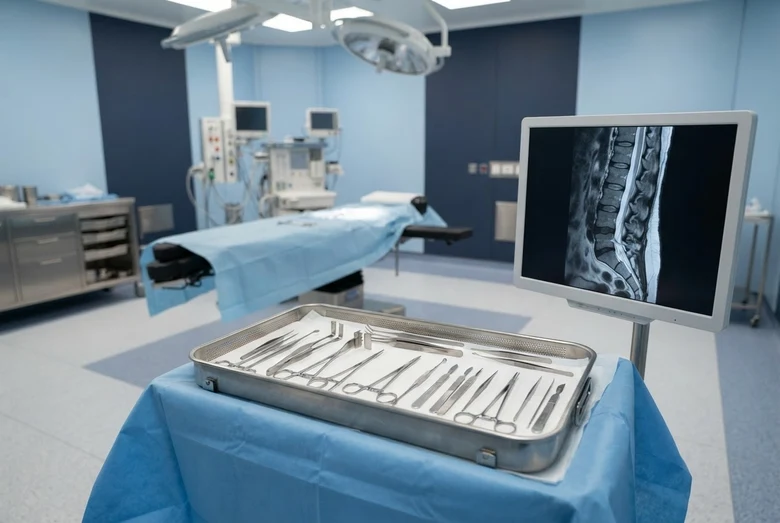
What is Spinal Decompression Surgery? A Consultant Orthopaedic Spine Surgeon's Guide
Spinal decompression surgery is a procedure to relieve pressure on the spinal cord or nerve roots. It involves removing the bone, ligament, or disc tissue causing compression. This surgery is commonly performed for spinal stenosis. Dr. Purnajyoti Banerjee, a Consultant Orthopaedic Spine Surgeon in London, employs minimally invasive techniques wherever suitable. These methods preserve healthy supporting structures while fully relieving affected nerves. Learn more about spinal stenosis on the NHS website.
Who Needs Spinal Decompression Surgery in London?
- Spinal stenosis causing leg pain or numbness when walking (neurogenic claudication)
- Confirmed nerve or spinal cord compression on MRI
- Numbness, tingling, or weakness affecting the arms or legs
- Back pain symptoms not improving with injections or physiotherapy
- Difficulty walking distances due to leg pain that eases with rest or sitting
Spinal Decompression Surgery: The Procedure, Step by Step
Anaesthetic & positioning
The procedure occurs under general anaesthetic, with continuous monitoring throughout.
Guided access
A small incision allows imaging guidance to direct instruments precisely to the affected level.
Targeted treatment
The bone, ligament, or disc tissue compressing the nerve is carefully removed to create space.
Closure & recovery
The incision is closed with dissolvable stitches. All patients are mobilised the same day.
Spinal Decompression Surgery Recovery Timeline
Day 0
Rest at home, short gentle walks
Weeks 1–2
Light activity, walking distance gradually increased
Weeks 3–6
Progressive return to work and daily tasks
Months 2–3
Gradual return to full activity and sport
Spinal Decompression Surgery Risks & Considerations
As with any spine surgery, risks include infection, bleeding, and nerve irritation. Dr. Banerjee will discuss these openly. The likelihood of improvement in walking distance and symptoms will also be evaluated. Surgery is only recommended when clinically justified.
Frequently Asked Questions
What is the success rate of spinal decompression surgery?
According to the NHS, around 70-80% of patients experience significant improvement in symptoms after spinal decompression surgery.
How long does recovery take?
Recovery times can vary, but it typically takes about 6-8 weeks for most patients to return to normal activities.
What are the risks associated with spinal decompression surgery?
Potential risks include infection, bleeding, and damage to spinal nerves. Discuss these with Dr. Banerjee to understand your specific case.