
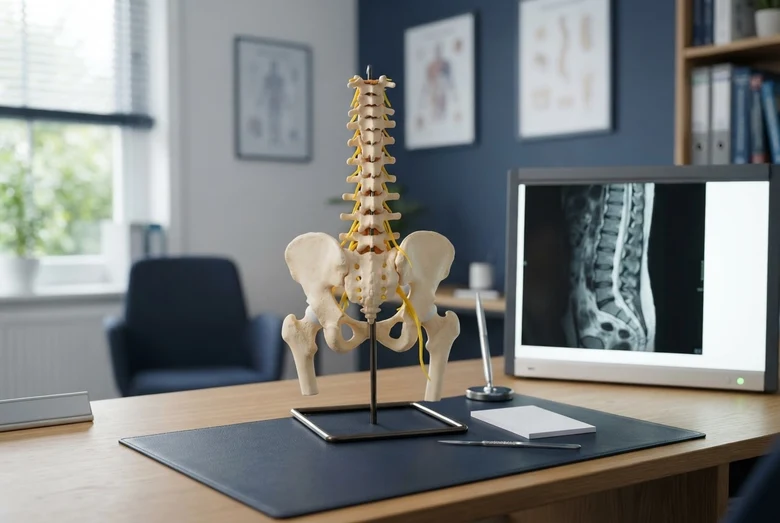
What is Sciatica Treatment? A Consultant Orthopaedic Spine Surgeon's Guide
Sciatica treatment involves addressing the pain that radiates along the sciatic nerve pathway. This pain typically originates from the lower back, extends through the buttock, and travels down one leg. One common cause is a slipped disc that presses on a nerve root. Dr. Purnajyoti Banerjee, a Consultant Orthopaedic Spine Surgeon based in London, provides comprehensive sciatica treatment options. These range from non-operative spinal injections to minimally invasive surgery, tailored to the individual’s specific diagnosis and imaging results.
Who Needs Sciatica Treatment in London?
- Individuals with sharp, burning, or shooting leg pain originating from the back
- Those experiencing numbness, tingling, or weakness in the leg or foot
- Persons with sciatica persisting over 6 weeks despite physiotherapy
- People whose symptoms affect sleep, work, or mobility
Sciatica Treatment: The Procedure, Step by Step
Assessment & Diagnosis
Initial assessment involves a clinical examination and MRI review to determine the precise level and cause of nerve compression.
Non-operative Options First
Targeted spinal injections and physiotherapy referrals are considered where appropriate.
Guided Access (If Surgery is Needed)
Minimally invasive access techniques are employed to reach the affected area.
Targeted Treatment
The procedure involves removing the compressing disc fragment to relieve the nerve.
Closure & Recovery
Same-day mobilisation is often possible following minimally invasive discectomy.
Sciatica Treatment Recovery Timeline
Day 0
Rest with short, gentle walks
Weeks 1–2
Light activity, avoid heavy lifting
Weeks 3–6
Progressive return to work
Months 2–3
Return to full activity, including sport
Sciatica Treatment Risks & Considerations
Spinal injections carry a small risk of infection or temporary symptom flare. Surgery risks include infection, bleeding, and nerve irritation. Dr. Banerjee will discuss the likelihood of relief for your specific sciatica pattern before any treatment is agreed. For more information, visit the NHS Sciatica page.
Frequently Asked Questions
What are the success rates for sciatica treatments?
Success rates vary depending on the treatment method and the individual case. A study published in 2023 found that around 70% of patients experience significant pain relief after non-surgical treatments, while surgical interventions have success rates of 80-90% in relieving symptoms.
How common is sciatica?
According to the NICE, sciatica affects about 10-40% of people at some point in their lives. It is a prevalent condition that requires proper diagnosis and treatment.