
What is Back Pain Treatment? A Consultant Orthopaedic Spine Surgeon's Guide
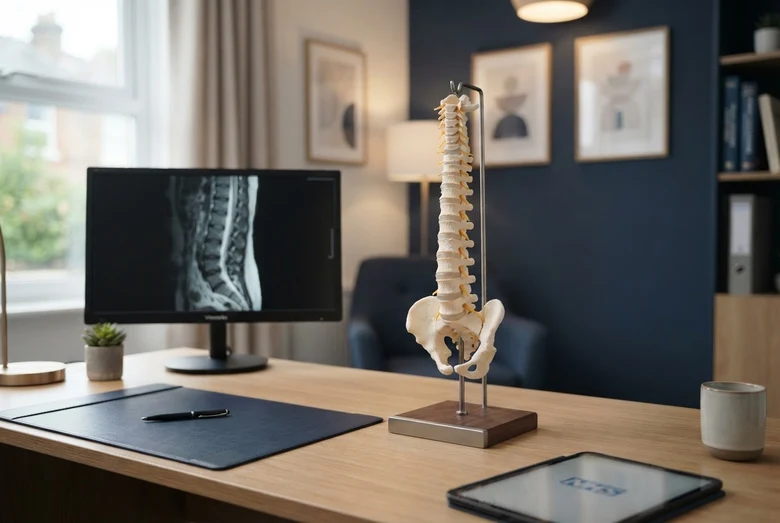
Back Pain Treatment is a comprehensive approach to managing back pain, which ranges from short-lived muscular strain to chronic conditions like disc degeneration, nerve compression, or spinal instability. The treatment involves a personalised plan based on symptoms, examination findings, and imaging results. Dr. Purnajyoti Banerjee offers precise diagnostic assessments to determine the underlying cause of back pain. Treatment plans are primarily non-surgical, with surgery reserved for cases where it is genuinely required. NICE guidelines recommend staying active and utilising exercise-based therapies, with imaging and surgery considered for select cases.
Back Pain Treatment: The Procedure, Step by Step
Assessment and Diagnosis
The initial step involves a thorough history, physical examination, and MRI review to pinpoint the pain source.
Non-surgical Treatment
Options include spinal injections, activity modifications, and physiotherapy referrals where appropriate.
Medial Branch nerve radiofrequency ablation
Most patients with neck pain and back pain can be sussessfully treated with radiofrequency ablation of the medial branch nerves that supply pain sensaton to the facet joints in the back of the spine. This procedure is often preceeded by a diagnostic medial branch nerce block.
Guided Access (If Surgery is Needed)
A minimally invasive approach is utilised to access the affected spinal level.
Targeted Treatment
The specific spinal structure causing pain is directly treated to alleviate symptoms.
Closure and Recovery
Early, guided mobilisation is encouraged to support long-term recovery.
Back Pain Treatment Recovery Timeline
Day 0
Rest, short gentle walks
Weeks 1–2
Light activity and gentle stretching
Weeks 3–6
Progressive return to work and daily tasks
Months 2–3
Gradual return to full activity and sport
Recovery timelines are general guides and vary based on individual diagnoses, overall health, and treatment specifics.
Back Pain Treatment Risks and Considerations
Non-surgical treatments generally carry minimal risks. If surgery is recommended, potential risks include infection, bleeding, nerve irritation, and incomplete pain relief. A small percentage of patients may require further treatment. Dr. Purnajyoti Banerjee will discuss these risks and expected outcomes before finalising any treatment plans.
Frequently Asked Questions
Do I Need a GP Referral?
A GP referral is often helpful and typically requested by insurers. However, self-funding patients may be seen without one. Bringing recent scans or letters can expedite your first consultation.
How Long Does It Take to Get a Diagnosis?
Many patients receive a preliminary diagnosis during their first appointment. If an MRI scan is required, imaging and a follow-up are usually arranged within a few days.
Will I Definitely Need Surgery?
Surgery is not always necessary and is considered mainly for conditions like nerve compression, spinal stenosis, or instability that do not respond to conservative treatment.
Does Back Pain Treatment Work Without an Operation?
For many individuals, structured exercise, activity modification, and spinal injections can effectively manage back pain without the need for an operation. Treatment outcomes are monitored, and plans are adjusted as needed.
Can I Drive and Work During Treatment?
Many patients continue working with adjusted duties. Driving depends on comfort levels, medication use, and safe vehicle control. Consult Dr. Purnajyoti Banerjee for advice tailored to your specific circumstances.